Classic & Collector Car Pre-Purchase Inspection
Independent classic-car pre-purchase inspection: rust survey, originality verification, matching-numbers check, drivetrain, electrical. 70+ photos, report in 24 hours.
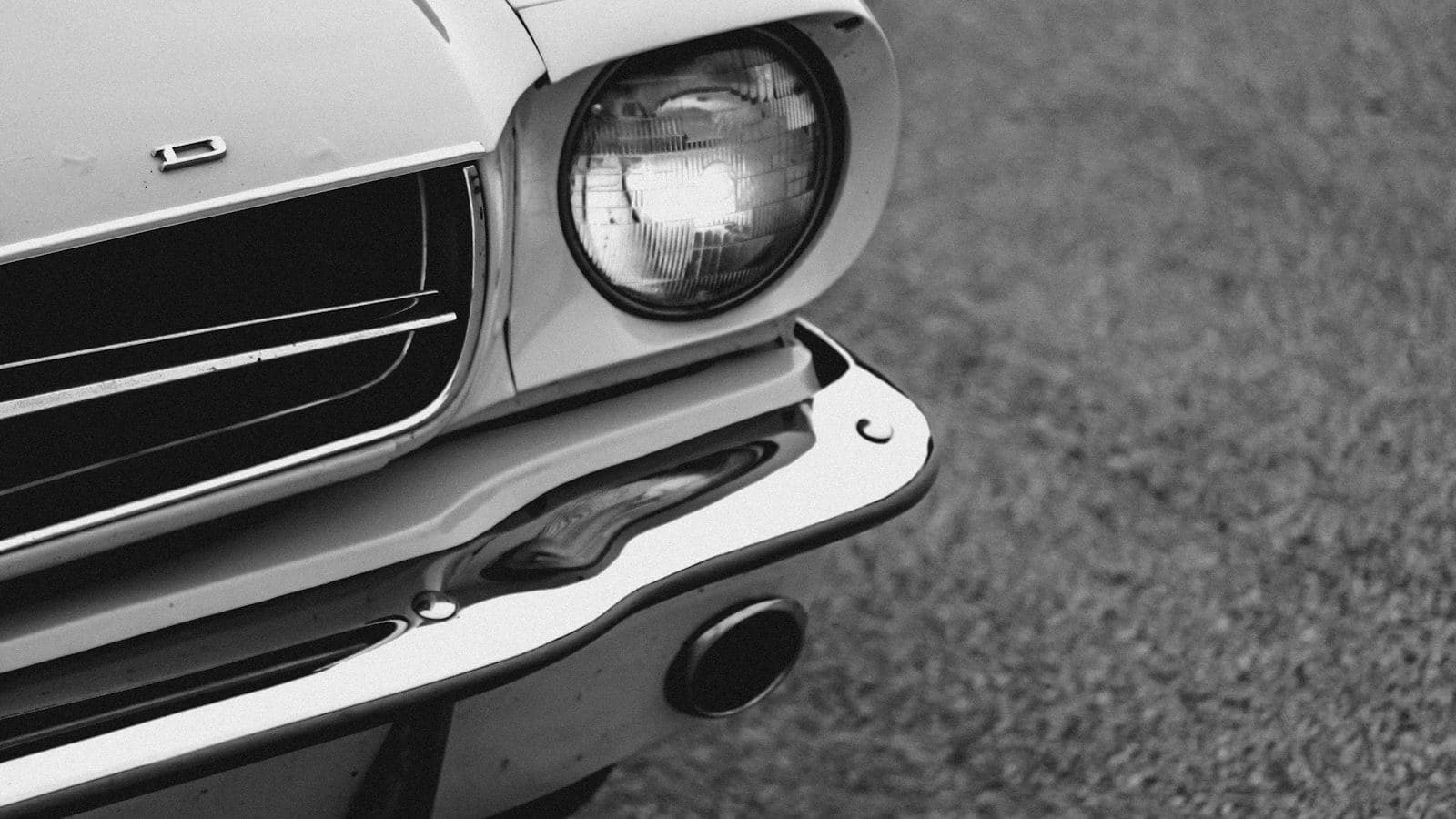
Specialty · Classic & Collector Cars
A clean classic on Bring-A-Trailer can hide bondo on the rockers, a swapped-engine VIN mismatch, and a wiring harness no one has touched since the Carter administration. Buy from photos at your own risk.
Why a classic inspection is different
Classic-car value lives in originality, rust state, and documentation — none of which a modern OBD-II scanner can read. Our classic inspectors come from restoration shops and concours circuits. They know which years matter, which trim packages were never sold the way the seller is describing, and where rust hides on each platform.
Scope note: We do not perform restoration estimates or appraisals. The report documents condition; valuation is for an appraiser, and restoration cost is for a marque shop.
How a classic inspection runs
Five-step process from booking to report. Type-specific — what we do on a classic is different from a passenger-vehicle pre-purchase.
Pre-visit documentation review
Title chain, prior-owner log, build sheet (Marti report for Fords, GM Heritage docs for muscle, Kardex for Mercedes, etc.), and any prior restoration receipts. We confirm what trim and engine combination the car was actually born with — sellers describe cars optimistically, and the paperwork tells the real story.
VIN and matching-numbers verification
Stamped VIN on the body pad, frame stamp, trim tag, cowl tag (where applicable), and engine and transmission numbers cross-referenced against documented factory references. Mismatch flagged with photos — a numbers-matching claim is the single biggest value lever on a classic and we treat it that way.
Rust survey and body documentation
Magnetic check on every body panel (steel reads strong; bondo, fiberglass, or lead reads weak). Paint-thickness mapping. Macro photos on rocker panels, frame rails, floor pans, trunk pan, lower fenders, and quarter panels. Where undercoating obscures the read we flag the location and recommend a body-shop probe.
Mechanical, electrical, and road test
Drivetrain operation: clutch (manual), transmission, differential, drive shafts. Electrical harness inspection — original cloth harnesses are fragile and rodent-chewed harnesses are common. Brake system (drum or disc as applicable). Road test where mechanically safe and seller-authorized.
Photo-documented PDF report in 24 hours
70+ captioned photos including macro on every rust hot-spot, VIN-stamp documentation, matching-numbers reconciliation, and originality assessment per component. Report includes a clear "originality grade" alongside the condition findings — Hagerty / NADA / Mecum buyers care about both.
What we inspect
Every classic inspection covers the items below. Add-ons (e.g. paint-thickness mapping, generator load test) available on request.
- VIN: stamped pad + body tag + trim tag cross-reference
- Matching-numbers verification (engine, transmission, rear-end where applicable)
- Body: rust survey on rockers, frame rails, floor pans, trunk pan, lower fenders
- Paint: thickness mapping, color-match check, prior-repair documentation
- Glass: date codes, original-vs-replacement assessment
- Trim, badges, emblems: originality + correct-year verification
- Interior: upholstery condition, dashboard cracks, gauge function
- Engine bay: correct components for year, fastener-set evidence
- Cooling system: radiator, hoses, water-pump condition, fan
- Fuel system: lines, tank condition, carb/injection integrity
- Electrical: wiring harness state, lights, gauges, accessories
- Drivetrain: clutch (manual), transmission, differential, drive shafts
- Brakes: master cylinder, lines (drum or disc as applicable), pad/shoe state
- Suspension: bushings, springs, shocks, alignment indicators
- Tires: DOT age, tread, sidewall condition (often the most-overlooked item)
- Documentation: title, prior-owner log, service records, receipts review
- Road test where mechanically safe and seller-authorized
- 70+ photos including macro on rust-hot-spots
What we actually find on these
Patterns from real inspections. Not a checklist — these are the items inspectors flag most often, and the cost of missing them.
Frame rail rust under fresh undercoating
Spray-on undercoat is the #1 way sellers hide structural rot. Magnetic gauge plus paint-thickness reading flags suspect areas. Frame repair on a unibody muscle car is $4–10K; on a body-on-frame truck it can be $2–6K.
VIN-pad versus title VIN mismatch
Stamped pad on the cowl, firewall, or frame is the legal VIN. Title says one thing, pad says another — that is a re-titled or salvage car regardless of how it presents. Stop the inspection and call us.
Engine-block casting number does not match documented year
A "matching numbers" 1969 Camaro with a 1971 block is not matching. The block is a $200 swap on the part, but the originality hit at sale is $20,000+ on a clean SS. Buyers pay numbers-matching prices; sellers describe cars optimistically.
Floor-pan replacement with non-OEM steel
Aftermarket replacement pans are common and acceptable on driver-grade cars; on a concours-tier listing they are an originality hit. Either way, a replaced floor pan means water came in — inspect the sills, kickers, and frame mounts carefully.
Wiring harness with rodent damage or non-period repair
Original cloth-wrap harnesses are fragile. PVC-tape splices and color-mismatch wire run through the dash mean someone has been chasing a short. Full reproduction harness is $1,500–4,000; piecemeal repair is the reason gauges read random values.
Tire DOT age past 7 years on a low-mileage classic
Classic owners drive 500–1,500 miles a year. Tires age out before they wear. Sidewall cracking is the giveaway. Set replacement is $400–800 mounted; running them is a blowout at the first highway pass.
Drum-brake wheel cylinders weeping past the boots
Classic drum systems sit unused for months. Cylinders rust internally and weep on first hard stop. Cheap fix ($40 part each, $200 labor for the four), but a missed weep means you find out about it when the brake pedal goes to the floor.
Glass date code mismatch or replacement
Original glass has manufacturer + month + year etched in the corner. A windshield replacement on a 1967 Mustang is documented because original glass is rare. Replaced glass is acceptable on a driver but a value hit on a concours.
Trim or emblem from wrong year / model
A 1968 Camaro with 1969-correct emblems is wearing a costume. Sellers buy reproduction trim and call the car "restored." We document each piece against year-correct references and flag the discrepancies.
Photo-documented PDF + web view, delivered within 24 hours of the on-site visit.
Who runs your inspection
Classic-car inspectors come from restoration-shop or concours-circuit backgrounds. We dispatch by era and platform — pre-war is a different inspector than 1960s muscle, and European classics (Mercedes, Jaguar, BMW, Porsche 911 air-cooled) route to inspectors with marque-shop history. Our inspectors know which trim packages existed in which years, where each platform rusts first, and what the build-sheet is supposed to say. AACA, NCRS, MCA, and POCI judging experience is a plus we look for. We will name the inspector and their background in the booking confirmation.
When buyers book this
- Auction-listed classic (Bring-A-Trailer, Hagerty, Mecum) before bidding
- Private-party muscle car, European classic, or vintage truck purchase
- Out-of-state pickup where shipping cost makes a buy-back impractical
Buying from out of state
The classic market is national. About 80% of our classic inspections are out-of-state — Bring-A-Trailer auctions, Mecum / Barrett-Jackson hammer-down verification, or private-party listings on Hagerty Marketplace. We schedule 5–7 days before pickup or transport so you have time to negotiate or back out without forfeiting a transport deposit. For BAT auctions specifically, we know the auction window is short — we will work to deliver findings before the auction closes if booked at least 72 hours out. We coordinate access directly with the seller and confirm the car has not been moved or worked on since the listing photos were taken.
How classic pricing works
Classic inspections start at $449 for domestic muscle, vintage trucks, and post-1970 imports; $549 for European classics (early Porsche 911, Mercedes Pagoda, Jaguar E-Type), pre-war American, and concours-grade documentation work; $649–749 for full matching-numbers verification with build-sheet reconciliation, or remote-area travel. Pricing is set by documentation depth and access — a barn-find with no paperwork takes longer than a fully-binder car. Booking confirms a quote; final invoice can adjust within 10% for additional research time.
Frequently asked
Will you authenticate that this is a real, factory-original car?
We verify VIN, trim tag, and matching numbers against documented factory references where they exist. We document originality of components. We do NOT issue authentication certificates — that is a marque-specific judges’ / appraisers’ role.
How do you check for rust under undercoating or paint?
Visual + magnetic + paint-thickness readings on body panels. Where undercoating obscures the read, we flag the location and recommend a body-shop probe before close. We do not drill or scrape factory finish.
Can you provide a value or appraisal?
No — we are inspectors, not appraisers. Our report documents condition; for a written value, retain an Hagerty / Heacock / state-licensed classic-car appraiser separately.
How is this different from your Gold tier?
Gold is a road-going modern-vehicle scope. Classic adds rust survey methodology, matching-numbers verification, originality assessment per component, and documentation review against build-sheet references. Different inspector pool, longer on-site time, deeper paperwork dive.
What if the seller refuses a road test?
Common on concours-tier cars and barn-finds. We document static operation thoroughly: cold-start, idle quality, throttle response, transmission engagement in each gear at standstill, and any audible drivetrain issues. The report notes the road-test was declined, which is itself buyer-relevant information.
What if you find something major mid-inspection?
We call you immediately with photos. On a structural rot or non-matching-numbers find, you decide whether to walk or renegotiate. Aborted inspections are billed for time on-site only.
Do you do follow-up inspections after I close?
Yes — particularly on barn-find buys where the car needs commissioning before regular driving. We come back at 30/60/90 days for fluid leaks, brake pull, and any items that were watch-list at original visit.
Can you pre-approve me for collector-car insurance?
No, but our report meets condition documentation requirements for Hagerty, Grundy, Heacock, J.C. Taylor, and most agreed-value carriers when you bind a new policy on a private-party purchase.
How long does a classic inspection take?
Three to four hours on-site (matching-numbers verification + rust survey are time-intensive). Report PDF within 24 hours.
Related inspection types
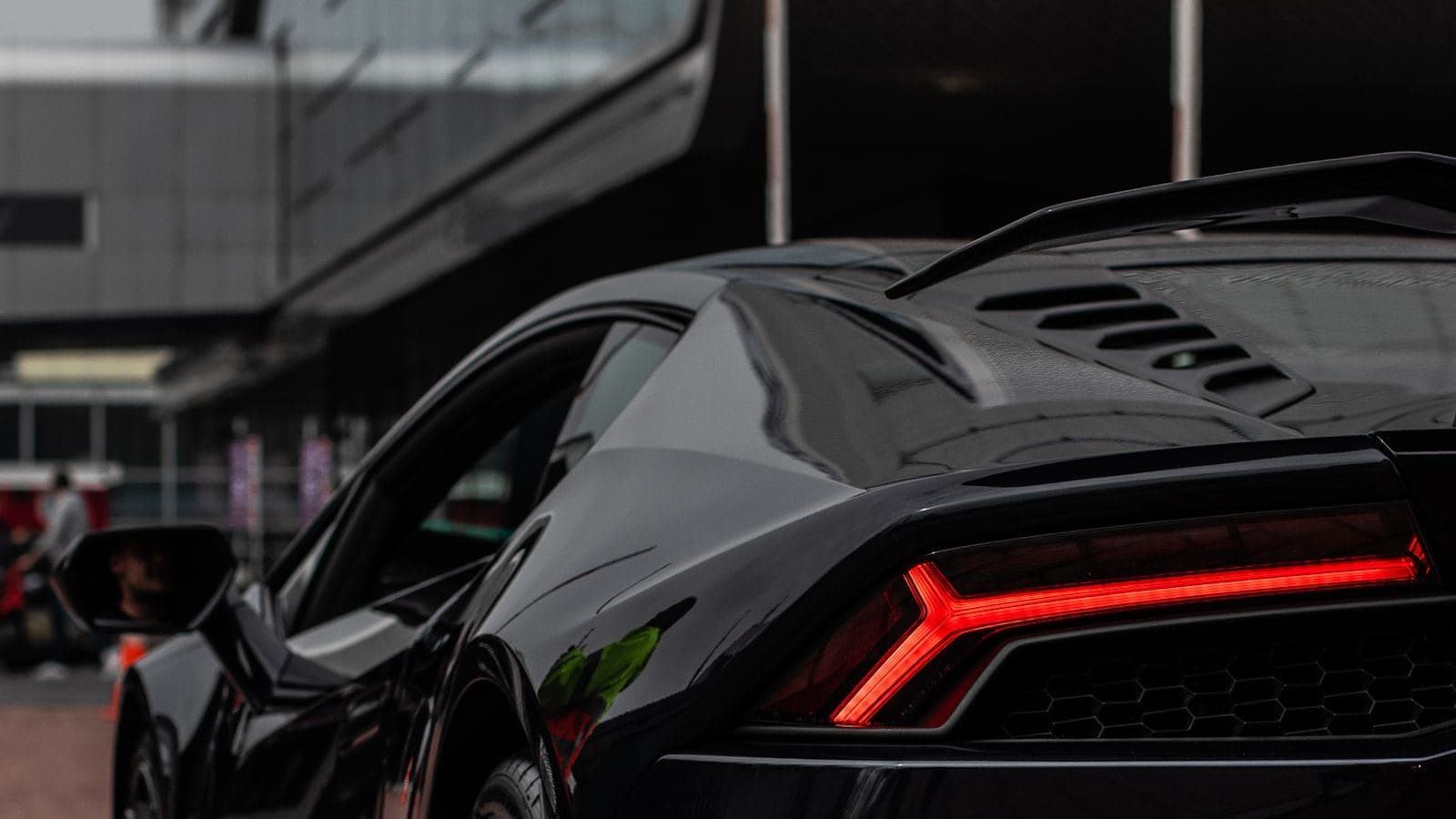
All specialty types →High-value classics (Daytona, Miura, GT40 replicas, late-model GT cars) shift toward the exotic scope with deeper paint-thickness and undertray work.
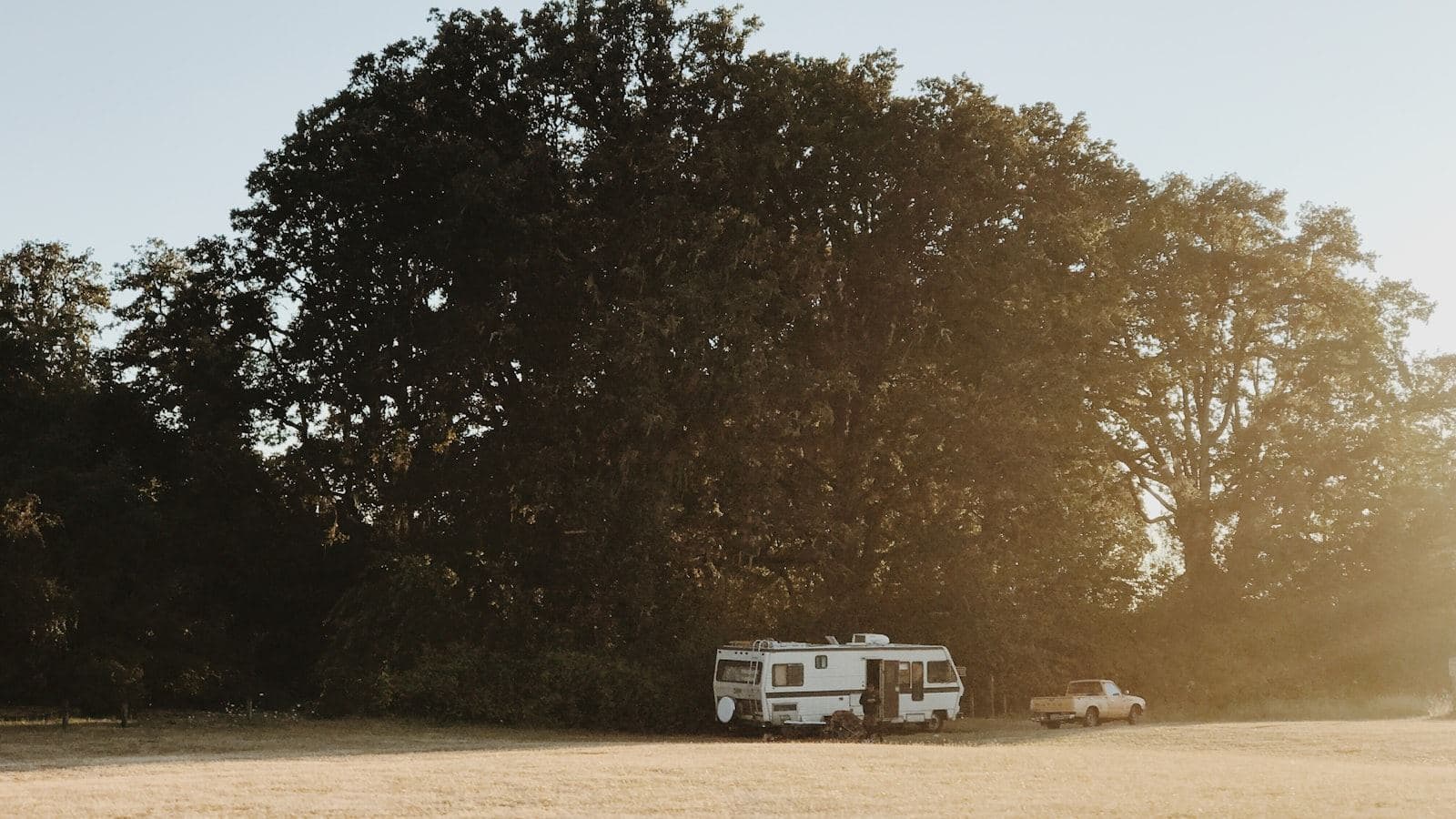
Vintage Airstream, classic Winnebago, or restomod motor-home? RV scope adds the house systems on top of the chassis.

Ready for a classic inspection?
Tell us about the vehicle and the seller's location. We dispatch a credentialed inspector and email you a detailed photo-documented report.
Ready for a clear answer on the vehicle?
Book a certified pre-purchase inspection. Photo-documented report within 24 hours. Card authorized, not charged, until an inspector accepts.