Motorcycle Pre-Purchase Inspection
Independent motorcycle pre-purchase inspection: frame, suspension, drivetrain, compression, brakes, electrical. 40+ photos, road test where permitted, report in 24 hours.
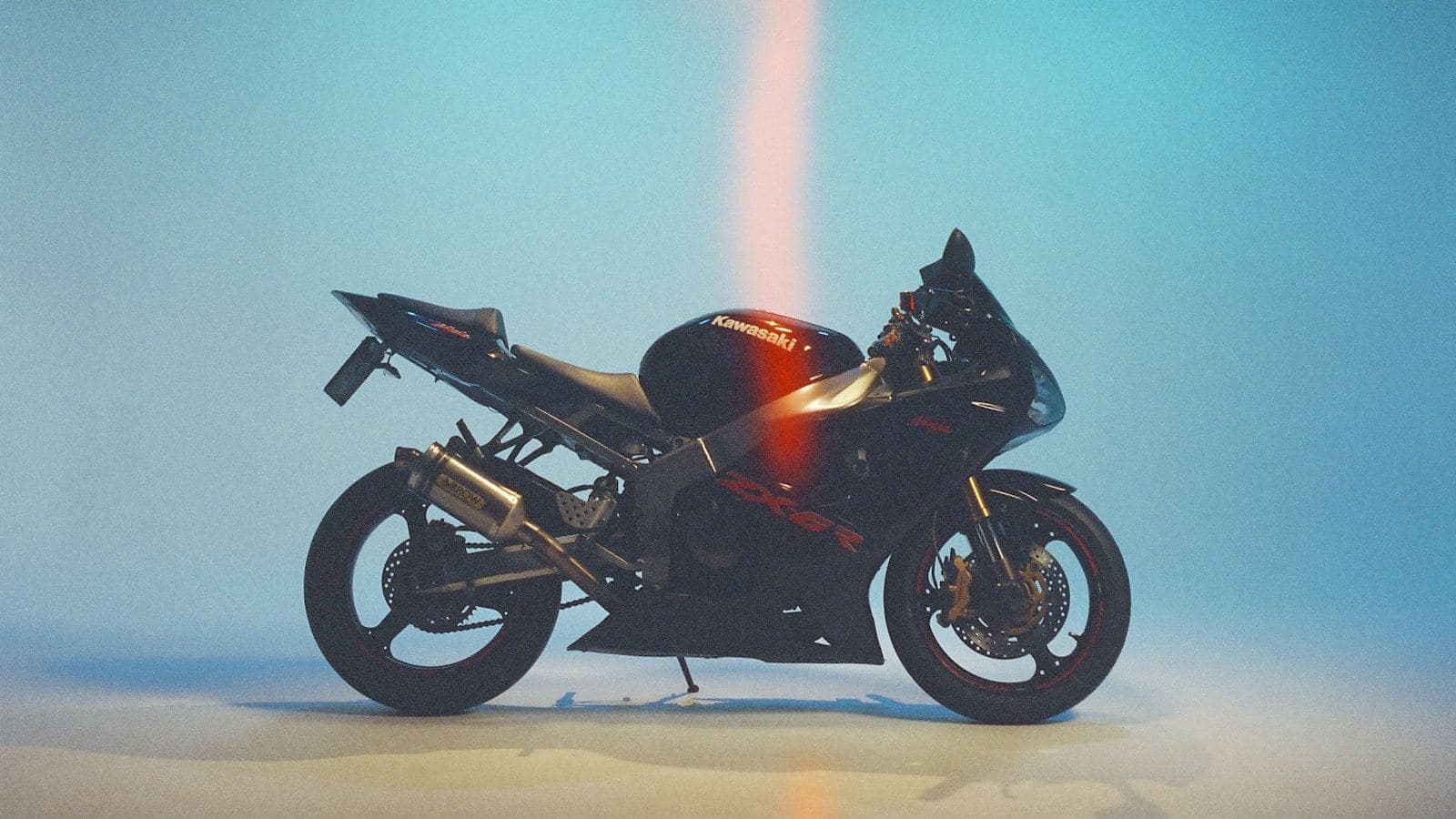
Specialty · Motorcycles & Powersports
Used bikes hide hard miles. A buyer can spot a fresh tank, but the wrench-spun engine, the bent frame, and the chain that ate a sprocket — those need someone who knows where to look.
Why a motorcycle inspection is different
Motorcycles wear in patterns car-trained inspectors miss: rear-wheel hop from a bent rim, fork seal weep under the dust boot, valve-train tick on a high-mile twin, frame paint that does not match factory layer thickness. Our motorcycle-credentialed inspectors check the things a generalist would walk past.
Scope note: We do not road-test track-only or off-road-only bikes. Compression and leak-down are visual only unless the seller authorizes engine work; we will note instead of measure on closed-engine bikes.
How a motorcycle inspection runs
Five-step process from booking to report. Type-specific — what we do on a motorcycle is different from a passenger-vehicle pre-purchase.
Pre-visit history check
VIN run for title-brand history, prior accident records where reported, and a sanity check on listed mileage. We ask the seller for service receipts, fork-oil change dates, and any track-day or crash history. Bikes with no paper trail get extra time on frame and drivetrain.
Static survey: frame, paint, fasteners
Bike on a center stand or paddock stand. Frame paint thickness uniformity (factory layer is consistent; repaint is not). Every fastener gets eyeballed for spin-marks that signal teardown. Tank dent, fairing fitment, and bar-end scuff documented — these are the drop-evidence tells.
Mechanical and electrical bench checks
Cold-start with cylinder-by-cylinder warm-up listen. Charging output at idle and 3,000 RPM. Fork seal weep under the dust boot. Brake pad thickness, disc warp, line condition. Chain stretch via 12-link rule and sprocket tooth profile. ECU diagnostic scan where the bike supports it.
Road test where street-legal
With seller permission and current registration: cold-start to operating temp, throttle response across the range, brake feel front and rear, steering pull, transmission engagement on every gear, and clutch take-up point. We document any high-speed wobble that points at a bent rim or worn head bearings.
Photo-documented PDF report in 24 hours
40+ captioned photos including 360° walk-around, macro on every fastener and weld of concern, drivetrain wear close-ups, and tire DOT date stamps. Defect list with severity ratings, recommended next steps, and a clear "buy / negotiate / walk" summary on page one.
What we inspect
Every motorcycle inspection covers the items below. Add-ons (e.g. paint-thickness mapping, generator load test) available on request.
- Frame: paint thickness uniformity, weld integrity, prior-impact survey
- Front fork: travel, seal weep, fork-cap torque marks
- Rear shock / linkage: bushings, mounting hardware, leakage
- Wheels: rim true, spoke tension, bearing play, tire DOT age
- Brakes: pad thickness, disc thickness/warp, line condition
- Drivetrain: chain stretch + sprocket wear (or belt/shaft as applicable)
- Engine: cold-start behavior, idle quality, throttle response
- Compression check (where seller authorizes engine warm-up)
- Coolant / oil: condition, leaks, recent service evidence
- Exhaust: heat shields, mounts, baffle/cat condition
- Electrical: charging output, lighting, indicators, switchgear
- Battery: voltage, age, terminal condition
- ECU diagnostic scan (where supported, e.g. OBD-II or brand-specific)
- Bodywork: panel fit, fastener-set evidence (drop indicator)
- Cosmetic photo-documentation: 360° + close-ups
- Road test: throttle, brakes, steering pull, transmission engagement
- 40+ photos delivered with the report
What we actually find on these
Patterns from real inspections. Not a checklist — these are the items inspectors flag most often, and the cost of missing them.
Bent or out-of-true rear rim
Causes high-speed wobble that buyers misdiagnose as tire imbalance. Pull-rims-and-true is a $200 cheap fix at a wheel shop. Ride-it-out and it becomes a guaranteed re-sale issue plus a safety problem at highway speed.
Fork seal weep under the dust boot
Sellers wipe the visible oil before the showing. Dust boot pulled back reveals the truth. Seal replacement is $250–500 with fluid; ignoring it kills the slider chrome and turns a $400 job into $1,200.
Chain stretched past spec with sharkfin sprocket teeth
Chain + front + rear sprocket is a matched set. A worn chain on new sprockets eats the new sprockets in 2,000 miles. Full kit is $200–400; cheap-and-replace-just-the-chain is the most expensive shortcut in motorcycling.
Frame paint thickness mismatch on the steering head
Factory paint is uniform within 10 microns across the frame. A repainted steering head means the bike has been down hard. Even if it tracks straight today, the buyer is taking on a hidden-damage title risk on resale.
Fastener spin-marks on engine cases or sub-frame
Factory torque marks are paint-pen lines that crack on first removal. Spun fasteners mean someone has been inside. Combined with no service records, that is an undisclosed engine teardown — flag for compression test before any money moves.
Battery age past 4 years on a fuel-injected bike
EFI bikes start poorly on a tired battery and the charging system overworks. Sellers replace the battery the day before the showing, or do not. $120 part either way; what matters is the stator and regulator behind it, which are $400+.
ECU reflash or aftermarket map flagged on diagnostic scan
Tuned ECU + cat-deleted exhaust = the bike has been ridden hard. Not a deal-breaker on a track-prep build but a problem on a "stock daily-rider" listing. Reflash to OEM is $200–400 if the original map is recoverable.
Tire DOT date past 5 years regardless of tread depth
Motorcycle tires age out before they wear out. Hard rubber loses grip in the wet and the cold. Set replacement is $400–600 mounted; running them is a low-side waiting for a damp morning.
Stator output low at 3,000 RPM
Charging output should be 13.8–14.4V across the rev range. Low output points at stator failure (common on Hondas / Suzukis past 30K miles). $400–700 stator + R/R replacement; ignored, you are pushing the bike home.
Photo-documented PDF + web view, delivered within 24 hours of the on-site visit.
Who runs your inspection
Motorcycle inspectors are dispatched by marque and segment. Sport, cruiser, ADV, and vintage each route to a different inspector pool. Sport-bike specialists come from track-day tech-inspector backgrounds or Japanese-OEM dealer service. Vintage and air-cooled twin work routes to inspectors with restoration-shop history. ADV and big-bore tour bikes route to inspectors who own one. We will tell you the inspector’s background in the booking confirmation — if we do not have a credentialed match for your specific bike (an old MV Agusta, a current World-Superbike-spec build), we say so before we take your money.
When buyers book this
- Sport, cruiser, ADV, or touring bike from a private seller
- Out-of-state purchase requiring shipping confidence
- Older / classic motorcycle (1970–2005) where condition trumps mileage
Buying from out of state
Roughly half of our motorcycle inspections are out-of-state buyers — Cycle Trader, Facebook Marketplace, or auction-listed bikes that the buyer has only seen in photos. We schedule the inspection 3–5 days before pickup or shipping pickup, which gives you time to negotiate findings or cancel transport without losing a deposit. We coordinate access directly with the seller and confirm the bike is street-registered before we commit to a road test. The report lands in your inbox the next morning, and we will hop on a call to walk through anything that flags as a deal-breaker before you wire the funds.
How motorcycle pricing works
Motorcycle inspections start at $349 for sport, cruiser, and standard street bikes; $399 for ADV and touring; $449–549 for vintage (pre-2000), exotic-marque (Ducati Panigale, MV Agusta, Aprilia RSV4), and high-displacement custom builds. Pricing is set by marque complexity and access — a faired sport bike with full bodywork takes longer than a naked. Booking confirms a quote; final invoice can adjust within 10% if on-site discovery surfaces extras (track-day prep, dyno-chart history, etc.).
Frequently asked
Will you ride the bike on the road?
Yes, with the seller’s permission and a current registration. The road test covers throttle response, brake feel, steering pull, transmission engagement, and any audible issues. We do not race-test or off-road test.
Do you do compression checks?
On bikes where the seller authorizes warming the engine to operating temp, yes. On closed-engine sales (some private collectors), we limit to cold-start behavior, oil/leak inspection, and a noted recommendation for compression at first service.
Can you inspect track-only or race bikes?
We can document condition statically, but no road test on bikes without current street registration. Track bikes are a custom quote — call dispatch.
Do you check ECU flash history?
Where the marque tool supports it (most modern Japanese, Ducati, BMW, KTM), yes — we pull stored fault codes, current map ID, and any aftermarket flash signature. On bikes without diagnostic-port support, we visually inspect for tuner-module wiring and note in the report.
How is this different from your Gold tier?
Gold is built around four-wheel passenger vehicles. Motorcycle scope is a different inspector, different tooling (chain wear gauges, suspension SAG measurement, marque-specific ECU dongle), and different items checked. Pricing reflects shorter on-site time but specialist-level expertise.
What if you find something major mid-inspection?
We call you on the spot with photos. If the finding kills the deal (frame damage, seized fork, pulled fasteners), you decide whether to continue. We bill for time on-site, not the full report, on aborted inspections.
Do you do follow-up inspections after I close?
Yes — 30/60-day re-inspection on watch-list items (marginal stator, slow seal weep, chain at end-of-life). Discounted when booked with the original.
Can you pre-approve me on insurance?
No — that is between you and your insurer. Our report is accepted by Progressive, Dairyland, and most specialty motorcycle carriers as condition documentation when you bind a new policy on a private-party purchase.
How long does a motorcycle inspection take?
Typically 60 to 90 minutes on-site, plus the report write-up. For older bikes or anything the seller has parked for 6+ months, expect closer to 2 hours.
Related inspection types
All specialty types →For Ducati Panigale V4, MV Agusta, and other high-value builds, the exotic scope adds VIN-stamp matching and service-record verification.
Vintage motorcycles (pre-1985) shift toward the classic scope: originality, matching numbers, and rust survey on frame and tank.
Ready for a motorcycle inspection?
Tell us about the vehicle and the seller's location. We dispatch a credentialed inspector and email you a detailed photo-documented report.
Ready for a clear answer on the vehicle?
Book a certified pre-purchase inspection. Photo-documented report within 24 hours. Card authorized, not charged, until an inspector accepts.